Dear Underwater Adventurer,
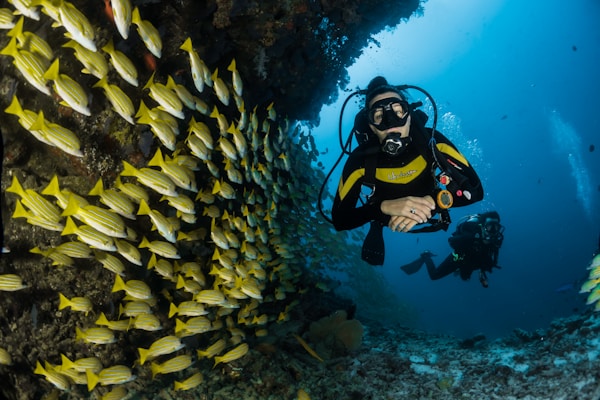
The Maldives' underwater world is spectacular year-round, but timing your visit to match marine life seasons can transform a great trip into an extraordinary one. Here's our month-by-month guide.
The Dry Season: January - April
This is prime diving season. The northeast monsoon brings calm seas, excellent visibility (often 30m+), and predictable conditions.
January - March offers the best overall visibility. The waters are crystal clear, and the eastern sides of atolls provide the best diving. Whale sharks can be found at South Ari Atoll year-round, but sightings peak during these months.
April marks the transition period. Visibility remains good, and plankton blooms begin attracting larger pelagics. Hammerhead sharks appear more frequently at deep-water channels.
The Monsoon Transition: May - June
As the southwest monsoon arrives, the Maldives' western sides become calmer. This is the beginning of manta season, as plankton-rich waters draw these gentle giants to cleaning stations and feeding sites.
Hanifaru Bay in Baa Atoll begins its famous manta aggregation—sometimes hundreds of mantas feeding in a single bay. This natural wonder is one of the planet's greatest wildlife spectacles.
Peak Manta Season: July - November
July - October is the absolute peak for manta rays. Hanifaru Bay regularly hosts feeding frenzies with 100+ mantas. Visibility may be lower (15-20m), but the marine life encounters are unmatched.
Whale sharks at South Ari Atoll continue year-round, and the plankton-rich waters attract more of these gentle giants to the surface.
November brings the monsoon transition back to the northeast, offering a sweet spot of good visibility and continued manta activity.
Best Spots by Experience Level
Beginners: The house reefs at resorts like Anantara Kihavah and Baros offer safe, shallow snorkeling with incredible marine life just steps from shore. Many resorts offer Discover Scuba programs for non-certified divers.
Intermediate: The channels (kandus) between atolls offer thrilling drift dives with grey reef sharks, eagle rays, and Napoleon wrasse. North Male Atoll's Banana Reef and HP Reef are classics.
Advanced: The deep south—Fuvahmulah for tiger sharks and thresher sharks, and Addu Atoll for pristine, uncrowded diving. Night dives with nurse sharks and bioluminescent plankton are unforgettable.
Equipment Tips
Bring your own mask and snorkel for the best fit—rentals are fine for fins. Dive computers are recommended for certified divers. Reef-safe sunscreen is mandatory—the Maldives' reefs are precious and fragile.
A 3mm wetsuit is sufficient year-round, though some divers prefer a rashguard in the warmer months (28-30°C water temperature).
With bubbly regards, The Maldives Holiday Escape Team

